Showing posts with label berkeley. Show all posts

Sunday, March 6, 2011

Marbles


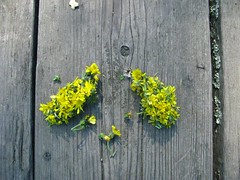
landscapes are often places where people lose things, lost in the tall grass. People also sometimes dispose of things that are otherwise hard to get rid of in the landscape, like cans of old gasoline. It's pretty common for people to dig a big hole and throw in whatever garbage they have lying around, sometimes burning it before it goes in. Blue corrosion on punctured batteries. Sometimes people bury the evidence of a crime in the garden, like a pistol under the boxwood. When I'm gardening I never know just what my shovel might turn up, but it's always a treat to find a marble, the unbiodegradable marker for obscure games of yesteryear.

Sunday, January 23, 2011

For Your Eyes Only

landscape animals (from the ancient archives)

MT ST HELENS: BEFORE

MT ST HELENS: AFTER
these things do happen

Bucky on his needle skiff


Vortex power


thanks sister!


Thursday, September 9, 2010

Mountain Lions

Last week while we were vacationing in southern Oregon I read in the local paper that a cougar had been shot over on Whiteschoolhouse Road. There's a herd of miniature horses in the area and apparently this cougar had been culling. A team of trackers from Selma OR were called in and within a few hours they had shot the 6ft long female cougar. Date, August 27th.

.

http://www.illinois-valley-news.com/archive/2010/09/01/cougar_killed/


When I get home I read in the news that on August 31st a cougar had been tracked and shot in the upscale gourmet neighborhood of North Berkeley.

http://www.sfexaminer.com/local/Police-shoot-mountain-lion-in-Berkeley-101935053.html

Based on the newspaper account I put together a Google Map that shows the route of the cougar through North Berkeley and key points along the 1 hour and 13 minute hunt. Interestingly she makes a large loop through the neighborhood, ending up only 300ft from where the chase began. Returning to a kill? Returning to a den? With young? Not sure, but I hope to stop by the area tomorrow (A memorial has been set up at the corner of Cedar and Shattuck) and retrace the hunt, giving the few blocks around the abandoned Elephant's Pharmacy a quick search.

CLICK TO BIG


GOOGLE IS BUGGY SORRY

View Cougar Chase in a larger map

Monday, May 3, 2010

SCHOOL'S OUT


AND IN OTHER NEWS

this guy


is charlie patton, he just invented this


it works like this


the seawater greenhouse

a greenhouse passively converts cold seawater into freshwater. the plants get watered and the temperature is lowered, providing perfect growing conditions for arid coastal areas.


these guys will build it for you

and they did all the science here

and exploration architecture... blew it up here

the basic design pulls warm salty air through a porous cardboard wall that has cold seawater trickling down it. this cools the air in the greenhouse. as the cool air is sucked out the other end of the structure it encounters yet another cardboard membrane, but this one has seawater that has been heated in overhead pipes trickling down it. As the cool greenhouse air meets the warm seawater it gets hot and humid. This heavy air then runs right into a series of pipes that have deep cold seawater in them. As the humid air rapidly cools on these condensers water droplets form and then fall to collect in a subsurface cistern.

Over time a thick skin of evaporated salt crystals forms on, and eventually replaces, the cardboard.

prototypes and pilots


This seems to me like one of the best ideas I've heard about in a while.

but always operating across scales

here

the skin can be recyclable recycled plastic.

off gassing is an issue. dunno, UV stabilizers help.

high speed small scale living systems.


top image, Copywrite. "The New Riviera." 2010. HODGES & CO all rights revealed.

Sunday, November 22, 2009

weeding exercise

visiting tilden park is something we love to do
our dog can be off leash, there are rock outcrops and big oak trees.
we went up to the quarry trail and i spent a few minutes pulling out weeds before we went on our hike. According to the law this is an illegal act. We have collectively entrusted the management of our public lands to government agencies who protect us from ourselves by outlawing resource tampering. Tilden is overgrown, muddy, choked by eucalyptus and blackberry. The forest could use some maintenance, but the law would seem to limit the power of the individual to make a difference.

FROM East Bay Regional Park ORDINANCE 38, Chapter 8 "Park Features Protection" (M/I ) SECTION 804 "Damage to Plants"
No person shall damage, injure, collect or remove any plant or tree or portion thereof, whether living or dead, including but not limited to flowers, mushrooms, bushes, vines, grass, turf, cones and dead wood located on District parklands. In addition, any person who willfully or negligently cuts, destroys or mutilates vegetation shall be arrested or issued a citation pursuant to Penal Code Section 384a.

SECTION 807 "Special Permission" however, says...
Special permission (Section 103) may be granted to remove, treat, disturb, or otherwise affect plants or animals or geological, historical, archaeological, or paleontological materials for research, interpretive, educational, or park operational purposes.

weeding in tilden from Nathan Hodges on Vimeo.


Thursday, November 5, 2009

data boom


The above two images show an aerial view of the Ashby fleamarket that happens every Saturday and Sunday in the parking lot of the Ashy Bart Station. The top photo is from the USGS Seamless database and is 0.33' for Alameda County, the bottom is from Google Maps. The GM aerial seems to be taken at an earlier date, based on how the shrubs along the north edge of the parking lot have grown in the USGS aerial. (or were they pruned?) Despite this the similarity in the layout & temporary structures of the flea market itself make it seem like images could have been recorded on the same day, perhaps just a few hours apart. Why do I only have access to aerial images that were taken on the weekend?
these and other questions, weekly and biweekly.

Tuesday, September 23, 2008

trouble in paradise


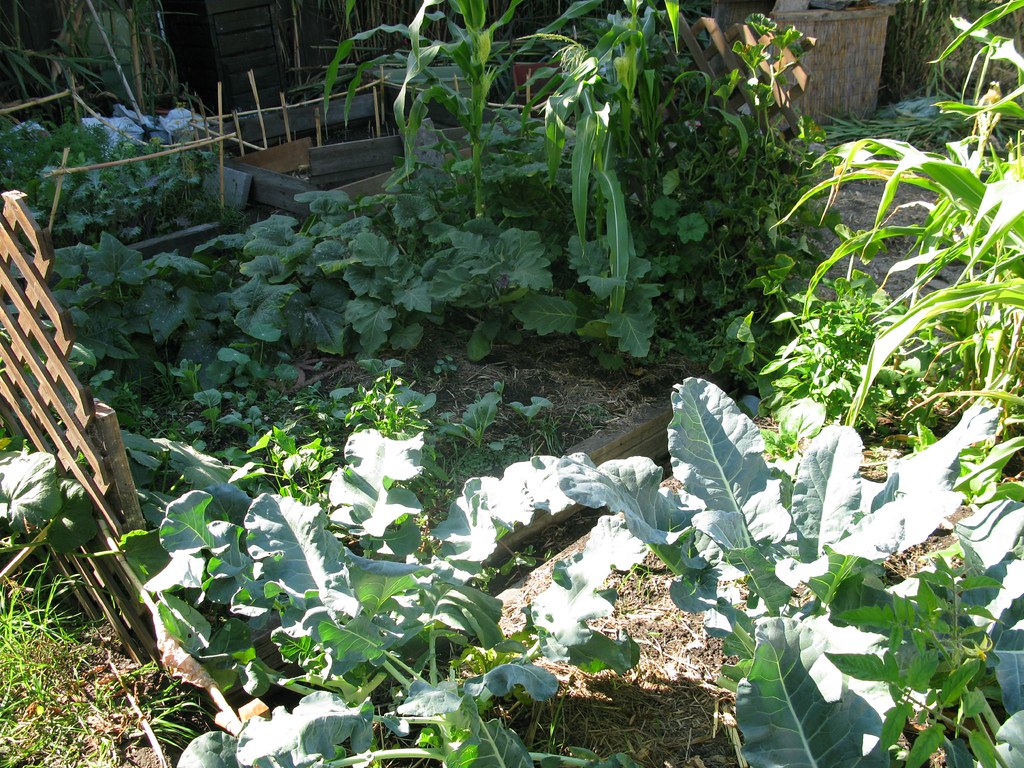
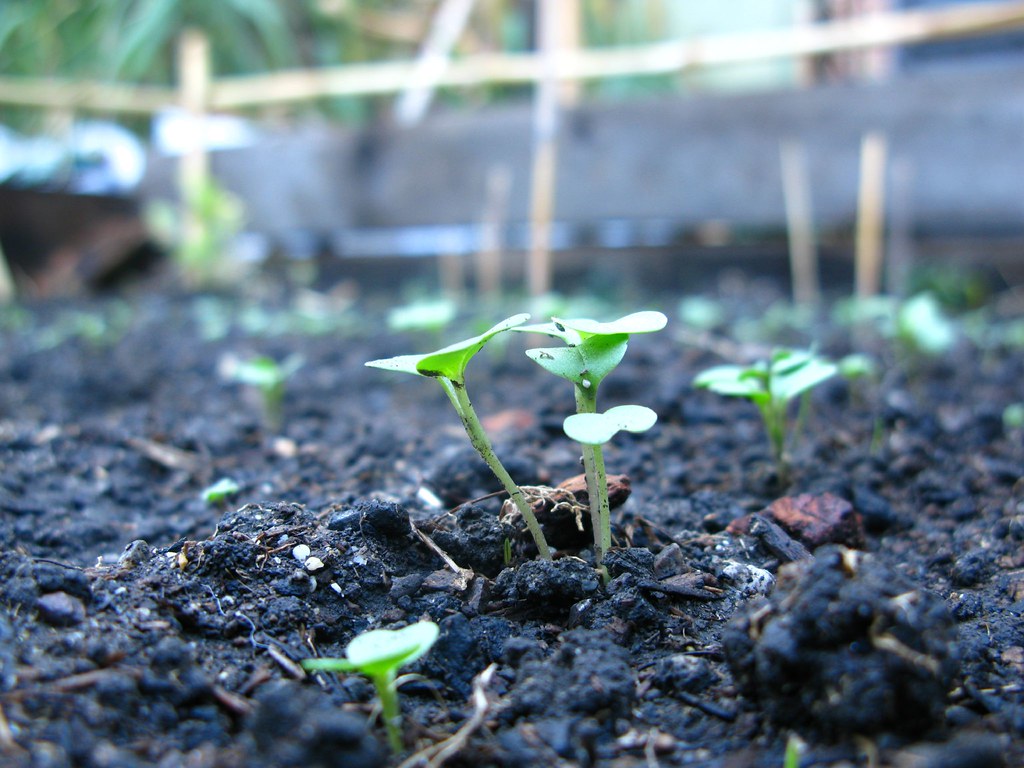
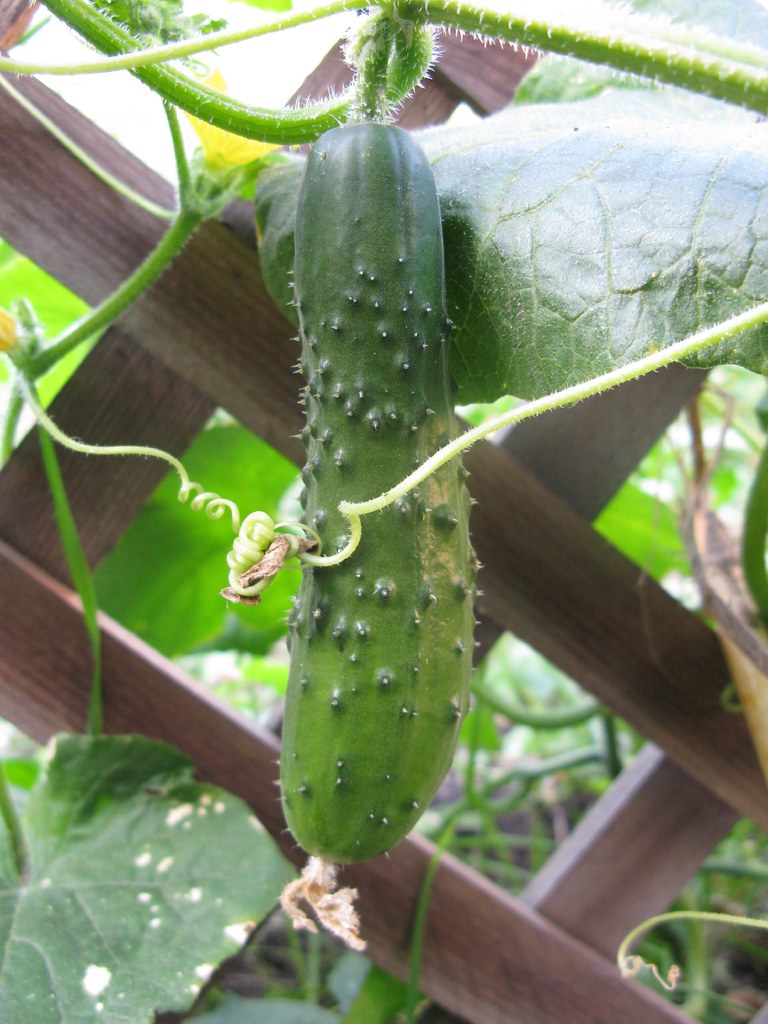
the garden continues to grow and challenge. it's producing a steady harvest right now, we just got three enormous heads of broccoli and two cauliflowers off the plants in the front, lettuce, cucumbers, carrots, chard, kale, tomatoes, and radishes are all in full swing. ripening are the winter squash, pumpkin, butternut, melons, beets, bok choy, corn. i just put in turnips, radishes, golden beets, more chard, a bunch of lettuce, chives. in the next few weeks potatoes, garlic, and onions, maybe leeks will all be planted. this is all good news and overall garden health is okay, but we're facing some pest & disease problems.


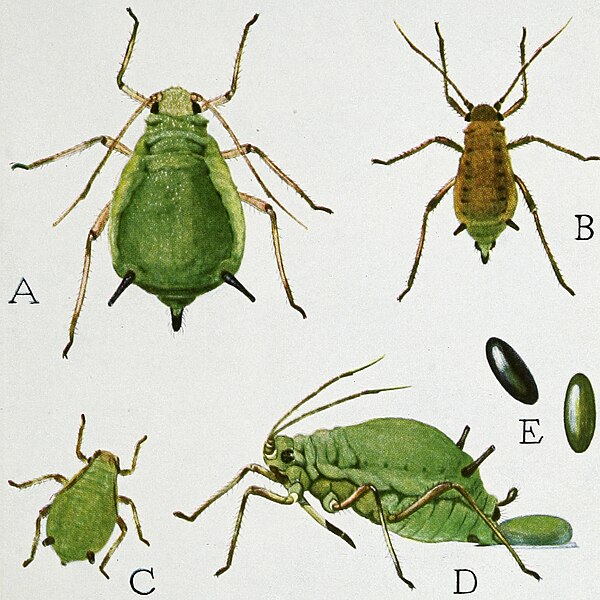
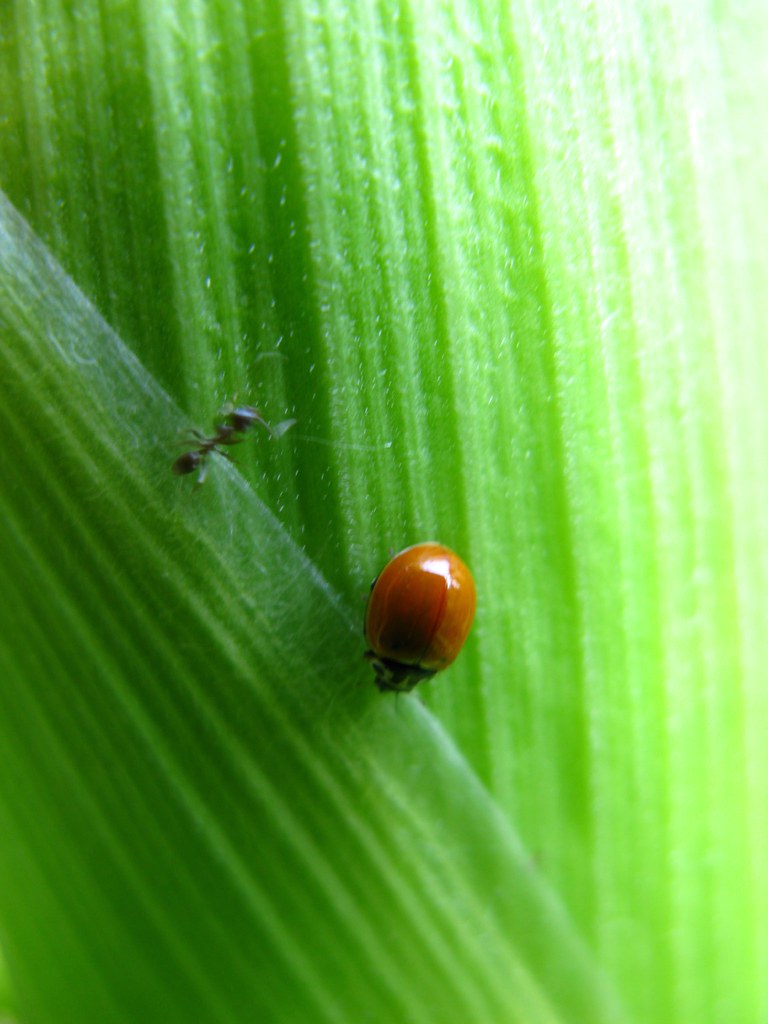
aphids: we have aphids, no ifs ands or buts. on the corn, the carrot bases, the broccoli leaves (but not the heads!). aphids, the most widespread crop pest in the world, puncture soft plant tissue with their sucking mouthparts and siphon out the sugary plant waters. in return they secrete a "honeydew" which brings us to the real crux of the aphid problem in the garden, ants. berkeley has an amazing amount of small Argentinian ants, an exotic that has quickly become ubuiquitous throughout the uban landscape. they're in our kitchen, our garbage, our compost, our freezer, our bed, our laundry, our flowerbeds, our mailbox. sometimes i'll leave the house and a few hours later find a hitchhiker.

these ants not only spread scale (a houseplant pest) and aphids but they carefully tend them, harvesting the honeydew as a food source and carrying aphids to opening frontiers of plant stems & leaves. this is a mutualistic relationship in all its glory but i happen to be on the short end. so i fight the battle on several fronts.

1 is direct control, washing or wiping off the aphids. this works surprisingly well and in some cases keeps them from coming back. ants are also adverse to mint, so i've been encouraging mint to grow in the edges of the pathways between beds. and if things are really bad (like in the compost bin) i'll spread some diotomaceous earth on the ground which is a mechanical means of killing ants, versus a chemical. all of these control methods require work and continual watchfulness. but the aphid problem is essentially one of unchecked population growth, both the ants (as exotics) and the aphids lack a sufficiently robust predator to keep their numbers down. enter the beneficials!


we have a lot of vegetables growing in our garden, but what we don't have is a lot of flowers. one rosemary bush is in bloom, and the dill has just started opening but that's really it. this lack of nectar resources has created a lack of the insects that naturally prey on garden pests.

perhaps most well known of these is the ladybug, a voracious aphid eater that is attracted by nectar rich small flowers like dill, yarrow, and other members of the carrot family. in fact, i didn't see a single ladybug in the garden until the dill started blooming, but now they are everywhere munching on the aphids.

this was a powerful reminder that just planting a few vegetable starts is only half the game, concurrent with that there needs to be a lot of good herbs and flowers planted to attract not only beneficial insects but pollinators as well. we lost about half of our sweet dumpling squash this year due to incomplete pollination. so i've started a campaign to fill the edges of the garden and in between the vegetables with attractive herbs and blooms. diversity is key to system stability.


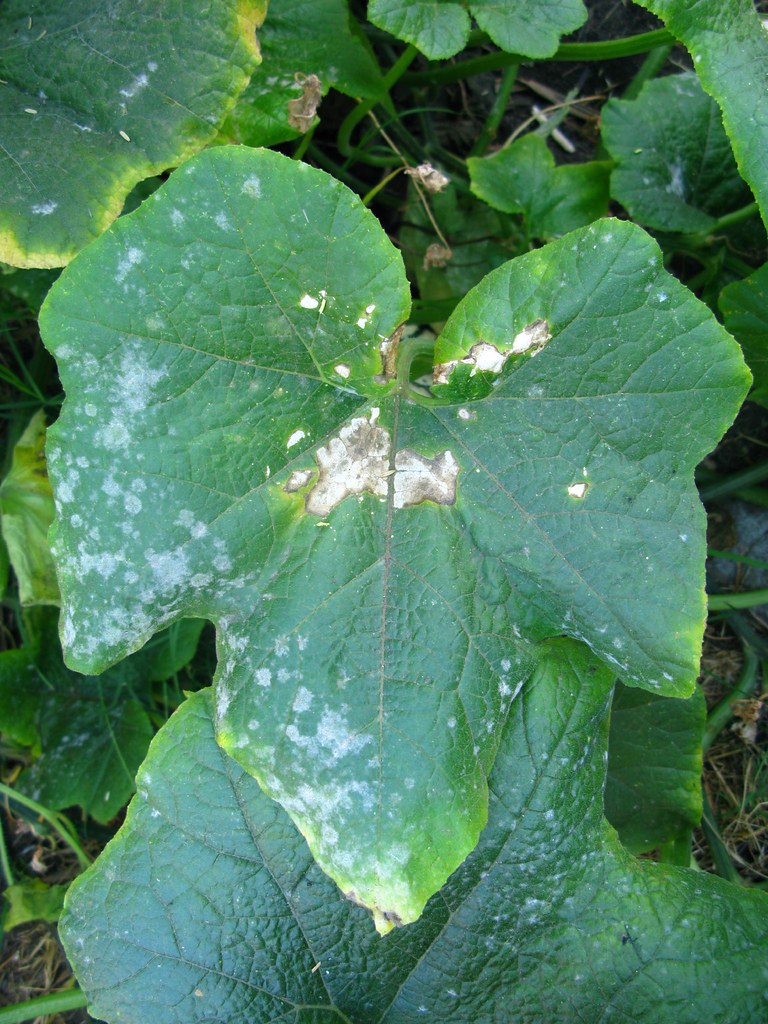
the other problem? powdery mildew. the land we're on is sort of damp, arundo reed grows in the corner, and when i dug the new bed a foot down was damp earth even though i hadn't watered there. this low-lyingness makes for prime fungal breeding grounds and as a result we get a fair amount of powdery mildew and other fungal infections on our vegetables, especially the squash and melons. now, theoretically, good rich soil with beneficial fungus and the full array of macro and micro nutrients should grow a plant that is resistant to these sort of infections. but we're a new garden, just converted from hardpacked clay lawn, and i don't think the soil community is quite up to snuff, yet. so we have mildew.

most of the pest control books recommend sulfur or copper to combat this, but we have a small garden with lot of dogs. copper is toxic, and sulfur is an irritant, so what to do? i've heard milk or baking soda spray, but haven't tried them. then i read in the ever-helpful "carrots love tomatoes" that a tea made of equisetum (horsetail) is an excellent way to not only prevent but combat powdery mildew and at the same time increase overall tissue health.

i knew where there was a nice patch of horsetail a few blocks from my house so i gathered a big handful, chopped them up, let them sit in water for two days then simmered them for a few hours. the resulting liquid was a watery-greenish and sort of stank. i put it in a spray bottle and have been religiously spraying the leaves of the squash with it for the past four days. it appears to be working! there still is mildew but it's not spreading and some of the leaves with small amounts have cleared up completely. i feel good about this and would recommend it to anyone with mildew problems, and best of all... it's free!

dealing with these problems i was surprised at how little easily countenanced information there was on how to deal with these problems sans chemicals... even "organic" ones. why didn't any of the books i read explicity say that i needed to plant plenty of herbs and flowers with my vegetables? why are the powers of horsetail only mentioned in one place? this got me thinking and i'm currently compiling an online searchable database for all would-be gardeners that allows you to easily understand which plants attract which beneficial insect and when they are in bloom which will be cross-referenced with companion planting and disease control methods. stay tuned.

AND if anyone reading this has insights into the process of growing pest free vegetables please share the wisdom.


Tuesday, August 19, 2008

The Garden Grows

garden chipper muffins stir fry 090

so growing a garden in the city is nowadays a sort of defacto undertaking for the young and restless, worried about food production systems, pining for the good life, bored at work, and afraid of wasting a life working for something we're not sure we even want. I always had some sort of vegetable crop at all the houses i lived, usually just a few tomato plants in whatever sunniest spot was handy and maybe some basil or cooking greens. But I usually found myself spending way more cash than I expected on getting the little garden into the ground and then reaping way fewer fruits of my labor than expected. So this year due to a set of unfortunate financial circumstances I decided I could grow a garden on the cheap.


here's a few tips and tricks i've got thus far and if you've got any i'd love to know them.

1. Get Free Compost. in Berkeley they actually give away as much free compost as you can haul the last friday of every month. it's the municipal waste stream so I end up using digested-berkeley to nourish the plants. if you live elsewhere look around, i bet there's compost just waiting to be had.
1a. make your own compost! this is a bit harder, but stay tuned for a non-stop sort of action blog post on the ins & outs of the compost heap.

2. Don't Buy Starts Buy a Packet of Seeds, unless I find a really good deal on starts like City Slicker Farms that runs a little nursery where the starts are priced by donation, I buy seed. look here for a list of awesome seed companies that you can get mouth watering catalogues from.
3. Mulch to save water, and shape the beds to save water. in super hot desert areas they actually farm in depressions they've dug out of the caliche and filled in with compost in order to capture every drop of water for the vegetables.

5. I borrow everything I can. tool lending library here in berkeley, neighbors elsewhere, share a chipper, share a shovel.

6. Alameda County offer free lead testing & consultation, growing backyard vegetables is only a win win when the soil is non-toxic. go here

7. Freecycle Giveth and Me Giveth Freecycle

8. rather than thinning baby beets and throwing out half the crop, separate the clumps and replant the ones taken out, it can double the patch size. same for anything really.

9. I collect any free materials I can such as lumber, glass, brick, stone, buckets, hoses, and wire. a good garden has a good infrastructure and the cost of these things can add up very quickly if you go down to home depot and whip out the visa.

cucumbers, radishes, corn, squash, broccoli, honeydew, eggplant, lettuce, dill, chives, peppers

things that i'm planting now from seed:

turnip (soon as i find some seeds, they're not the most popular vegetable apparently)
cabbage
radish
lucinato kale
golden beet
pak choy
borage
spinach
lettuce

remember what it used to look like?

Friday, July 18, 2008

selecting an album


one of my consistent toys during the earliest foggy years of my infanthood was the lunchbox sized portable yellow & red bumpy plastic disk player. i had a pretty good selection of records; blue, yellow, red. i forget exactly how it made sound come from those hard bologna-slice-sized platters. but it did. they were fairly jammin tunes if i remember correctly, not your standard nursery rhyme fare or waltzes, just plain old simple two four beats. plunk... pluank... plunk.

this all started thanks to taree, a sweet woman who lives in south berkeley with a bandsaw, a lathe, fruit trees, a winter garden, shaggy bamboo, mounds of wood shavings, rotting apples on the ground from an ornery apple tree that had sprouted up from its rootstock with feral fruit, and until recently a Yamaha C-2 Pre-Amplifier that she was giving away for free via the freecycle alternaconomy.

it's a pretty nice unit. so i hooked it up to my system tonight.
the speakers are an older pair of 8" oak cabinet infinitys. there's a yamaha natural sound stereo amplifier ca-1000 II with a finnicky mode but a nice silent volume knob. Into aux1 of the ca-1000 i run the new Yamaha C-2 Pre-amp (Cycle on terry), and into that i've got two signals; one from my laptop via a gold plated heavy duty triple core RCA cord (into the AUX input) and the other from Sage's parents' turntable, a delidded Technics SL-D2 that was recently cleaned, oiled, balanced, and leveled (into the Phono 1.)

while my audio gear is by no means jaw-dropping, i have to admit that with the new pre-amp it just sounded significantly better. all the audiophiliacs always drone on & on about the complete necessity of a really good preamp and, i'll admit, i've always just shushed them under the carpet with the guys who buy the new computer chips for their car to get a gain of like .5HP. in any case, it sounded so good that I couldn't even choose a record record to play, so i just I decided to play all the records straight through from left to right, one at a time, one side at a time.

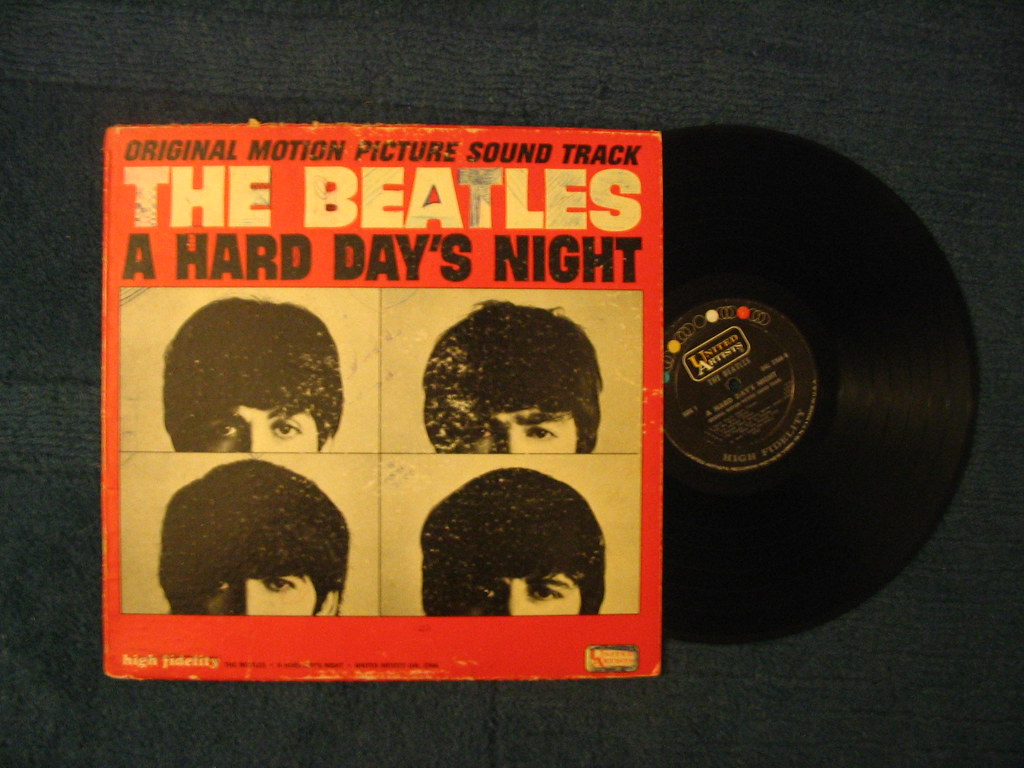
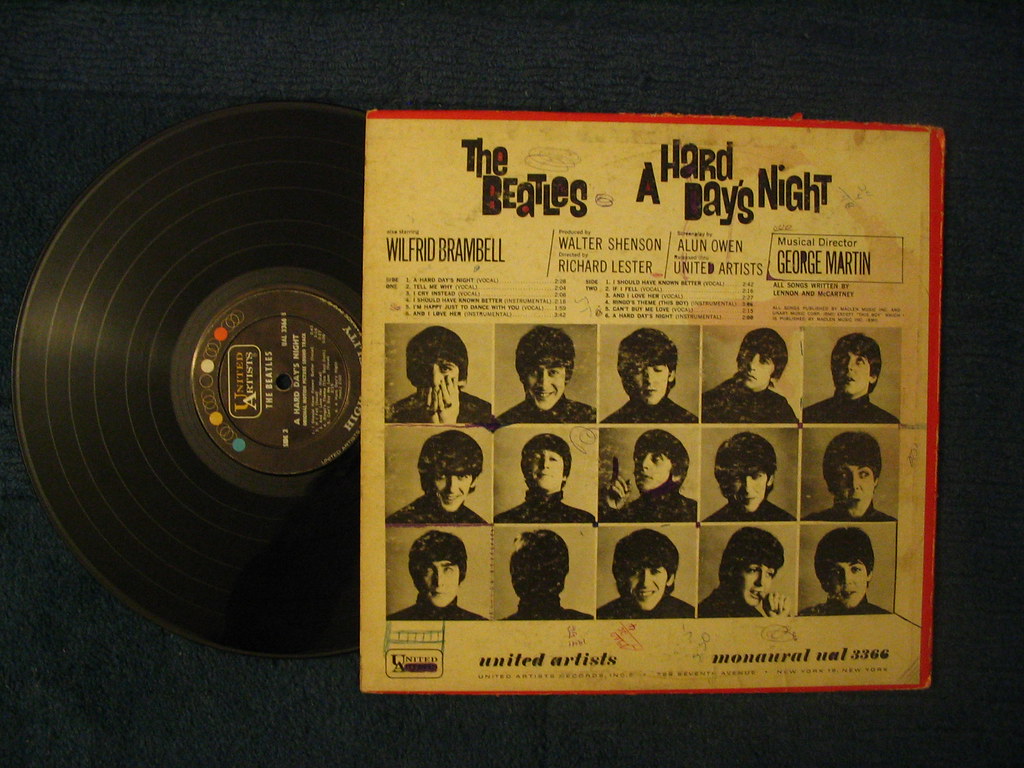
1. The Beatles - A Hard Days Night Original Motion Picture Soundtrack Un. Art. UAL 3366. (Click HERE for back)

a pretty good album, much better than i expected. a few real knockout gems on here. three hazy instrumentals: and i love her, ringo's theme (this boy) and the classic; a hard day's night. such nice high contrast portraits of them on the back, hamming it up like they really wanted to make it big but weren't quite sure that they would.

NEXT UP...

roy buchanan

yee hah

Photo copyright . some other needle's record . 2008 . HODGES & CO. all rights revealed.

Tuesday, July 15, 2008

urban homesteading

as food prices continue their steady slog to the upper stratosphere, we as a household decided it was high time we skipped capital accruing middle-people, put our own seeds in the ground and transformed (bit by bit) our rental oasis into a productive urban homestead. self-reliance in the city is a new battle-cry being hollered back and forth in blogs, magazines, and workshops. a steady & disheartening wash of internet research has made us suspicious of what we see in the supermarket, each product label the source of debate and moral tussling. living in the citycore fosters a disconnected & sallow engagement with our food production, and while farmer's markets bring us closer it just seems wasteful to not break up the hardpacked backyard clay and let seeds do what they do best. grow.

moreover, we are interested in quantifying this process, seeing just how it all pans out. measuring the yields, monitoring the air, soil, and water. biological diversity in the garden edges, temperatures in the middle of the pile, money saved, money spent. we are interested in the process the product and the documentation.
soil=garden=food=data=art=sharing=learning
so stay tuned we'll need all the help we can get.

Thursday, May 22, 2008

class is out!


welcome back everybody, it's been a while, but it sure is good to see all your friendly faces smiling around our little campfire. ah. smell that sagebrush? hear that coyote? what a world friends! what a world!
a few updates:

they got the raccoon!

"RE: Dead Raccoon
Thanks, we'll get it. "

jacob perkins & the nobody
are on tour
i'd recommend the takilma show if you can make it

i rode through the posey tube today. (following excerpt from a gchat conversation)

"the bike path was exactly as wide as one bicycle. on the left was a rusty handrail, then a 6ft drop to the crowded busy freeway. on the right was a dirty white tile wall that curved up over me to form the top of the tube. if i deviated just the slightest fraction i would hit either the wall or the handrail. the tube is 3545ft long. dark & dirty. the fumes were so thick and acrid that my eyes were burning the whole way and i choked as i pedaled up the slight slope. the sound in the tunnel was a huge roar with intermittent honks. big trucks passed just feet from me, but i was oddly above the cars, looking down on them. there was a pedestrian walking in the opposite direction and he literally had to climb up on the handrail and i had to brush against the white tile to make it past each other. i almost had a panic attack."
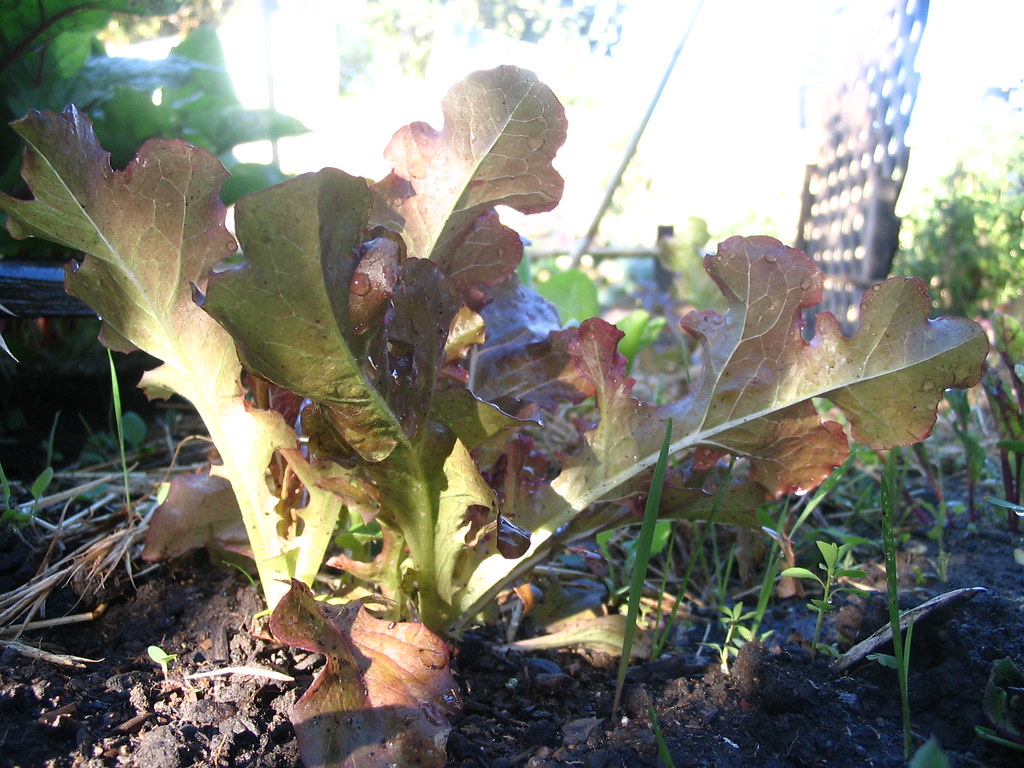
they also found out that 1km below the ocean floor there are organisms that may be 111million years old. and that 85% of snowflakes form around bacteria.

here's an idea...
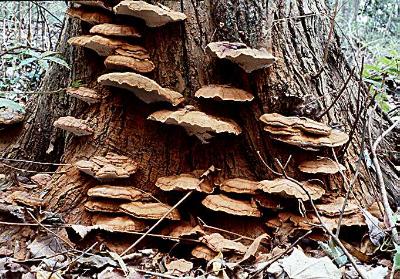
some bracket fungus species exhibit nondeterministic growth, i.e. they're able to alter their growth habits, size, and form in response to environmental variables. these conk fungi have hard, wood-like fruiting bodies that are tough and durable. i suggest that bio-engineered fungus of this type may be able to provide shelter, furniture, and entire houses. a hybridized, gen-mod spore could be cultured on any bio-waste stream and assume the programmed form. grow a wall, a roof, a chair, a table. when the useful lifespan of that object had come to and end, the mushroom would produce spores, which could be harvested and taken to the next domicile or homesite, where the process could begin again. the old conk would simple decompose.


Monday, August 20, 2007

golden moments

arrived in berkeley tonight. a few hours later than planned due to a nearly explosive car situation. the dear 84 tercel wagon, affectionately known as "the gold nugget" was nearing the destination, when hesitation and bucking began to occur at high RPMs. the car was already loaded to the gills with a clampett-esque precarious pile tied exhaustively onto the roof and the newly hatched engine troubles threatened to make the hills coming into berkeley impassable. uncertain if i should pull over or not, i figured that maybe i could eke out the last few miles at ridiculously slow speeds, dirty looks from speed demon californians be damned. but then, the bucking reached bronco levels, i heard a pop, and the car suddenly sounded like the muffler fell off... i calmly pulled into the emergency lane and the car died. red dash warning lights galore. i coasted to a stop in the grassy, glassy freeway shoulder. ugh.

i get out, crouch down on the side of the car as semis and aforementioned speed demons whip past me mere feet away. i look into the dim underbelly of my car, and i see the catalytic converter... a bulbous protrusion in the exhaust pipe that looks like a wimpy anaconda swallowed a wiener dog... and it's glowing red hot!

i back nervously away. uncertain if something is about to explode. grit and exhaust clinging to my throat, a mental tally of tow charges and mechanic fees ringing in my head. then i settle down, take another look, and see where a 15" silicon hose, melted by the extreme heat, has disconnected from the catalytic converter. after a few minutes of squirming under the car, duct tape and wire in hand (praying that an errant driver doesn't swerve into the emergency lane and clip my extended and vulnerable legs) the hose is reconnected. i get in, turn the key, and i'm off! i limp at 45mph 30 minutes down the freeway to my blessed ashby st. exit. those were very long miles.

moving into the new room. pictures and videos soon.

miss portland and sage and albert, but sense big possibilities here.