
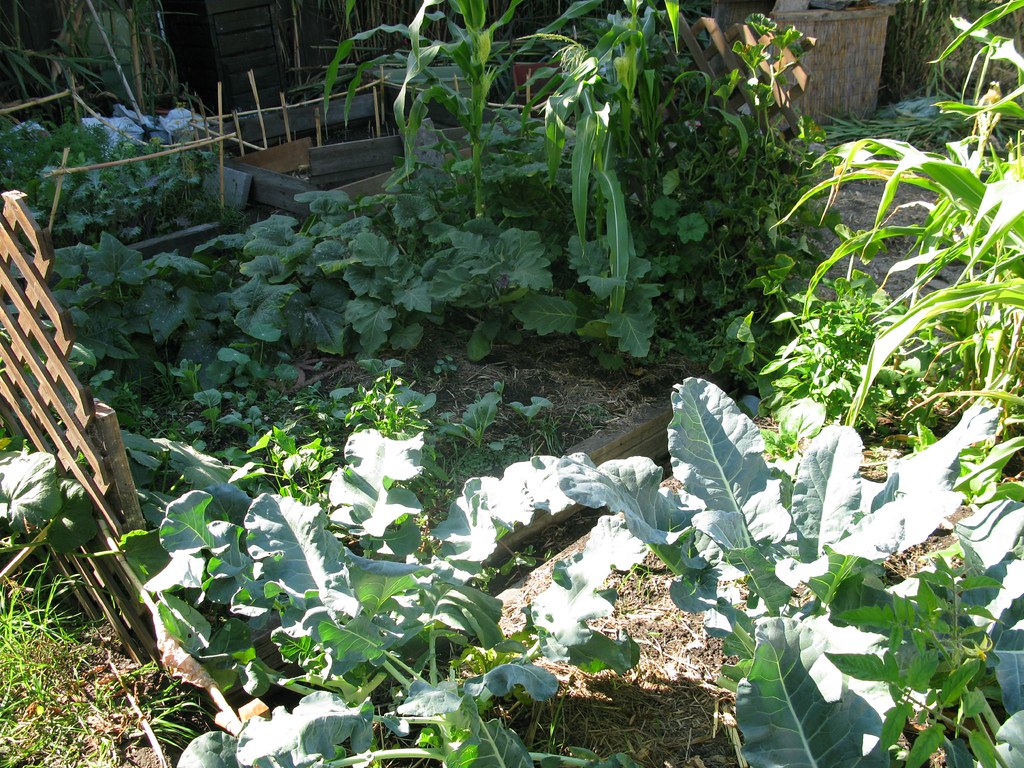
the garden continues to grow and challenge. it's producing a steady harvest right now, we just got three enormous heads of broccoli and two cauliflowers off the plants in the front, lettuce, cucumbers, carrots, chard, kale, tomatoes, and radishes are all in full swing. ripening are the winter squash, pumpkin, butternut, melons, beets, bok choy, corn. i just put in turnips, radishes, golden beets, more chard, a bunch of lettuce, chives. in the next few weeks potatoes, garlic, and onions, maybe leeks will all be planted. this is all good news and overall garden health is okay, but we're facing some pest & disease problems.

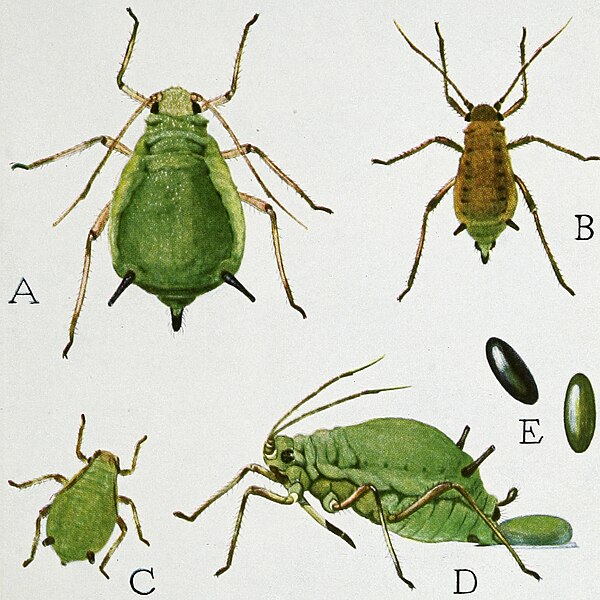
aphids: we have aphids, no ifs ands or buts. on the corn, the carrot bases, the broccoli leaves (but not the heads!). aphids, the most widespread crop pest in the world, puncture soft plant tissue with their sucking mouthparts and siphon out the sugary plant waters. in return they secrete a "honeydew" which brings us to the real crux of the aphid problem in the garden, ants. berkeley has an amazing amount of small Argentinian ants, an exotic that has quickly become ubuiquitous throughout the uban landscape. they're in our kitchen, our garbage, our compost, our freezer, our bed, our laundry, our flowerbeds, our mailbox. sometimes i'll leave the house and a few hours later find a hitchhiker.
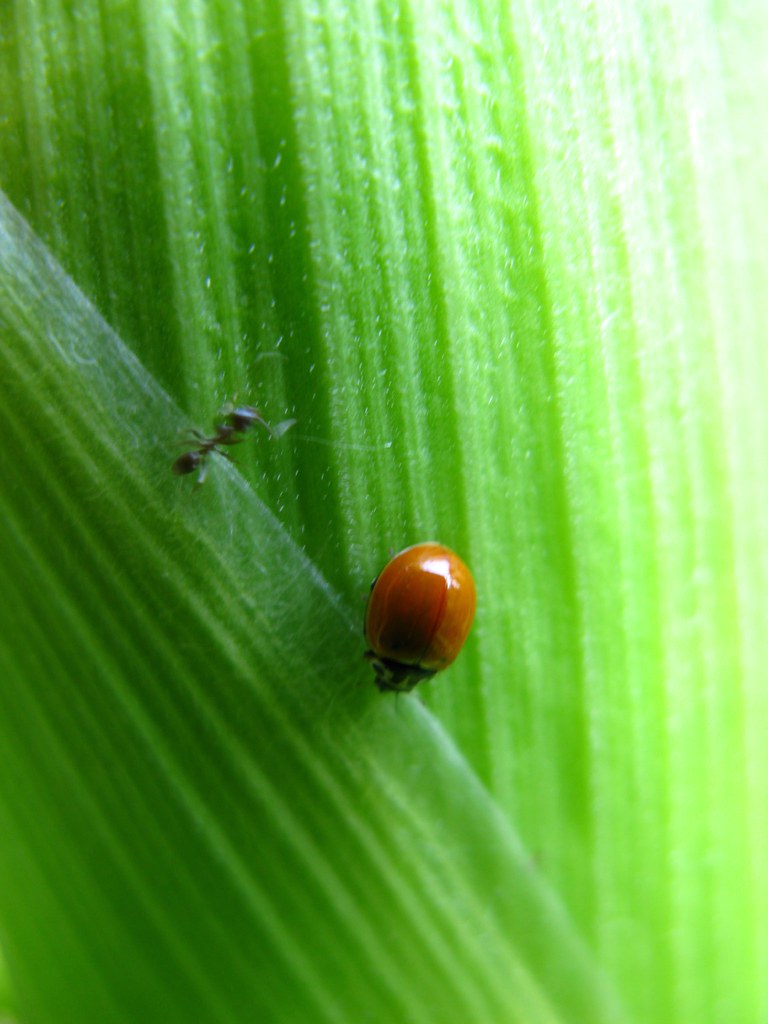
these ants not only spread scale (a houseplant pest) and aphids but they carefully tend them, harvesting the honeydew as a food source and carrying aphids to opening frontiers of plant stems & leaves. this is a mutualistic relationship in all its glory but i happen to be on the short end. so i fight the battle on several fronts.
1 is direct control, washing or wiping off the aphids. this works surprisingly well and in some cases keeps them from coming back. ants are also adverse to mint, so i've been encouraging mint to grow in the edges of the pathways between beds. and if things are really bad (like in the compost bin) i'll spread some
diotomaceous earth on the ground which is a mechanical means of killing ants, versus a chemical. all of these control methods require work and continual watchfulness. but the aphid problem is essentially one of unchecked population growth, both the ants (as exotics) and the aphids lack a sufficiently robust predator to keep their numbers down. enter the beneficials!

we have a lot of vegetables growing in our garden, but what we don't have is a lot of flowers. one rosemary bush is in bloom, and the dill has just started opening but that's really it. this lack of nectar resources has created a lack of the insects that naturally prey on garden pests.
perhaps most well known of these is the ladybug, a voracious aphid eater that is attracted by nectar rich small flowers like dill, yarrow, and other members of the carrot family. in fact, i didn't see a single ladybug in the garden until the dill started blooming, but now they are everywhere munching on the aphids.
this was a powerful reminder that just planting a few vegetable starts is only half the game, concurrent with that there needs to be a lot of good herbs and flowers planted to attract not only beneficial insects but pollinators as well. we lost about half of our sweet dumpling squash this year due to incomplete pollination. so i've started a campaign to fill the edges of the garden and in between the vegetables with attractive herbs and blooms. diversity is key to system stability.

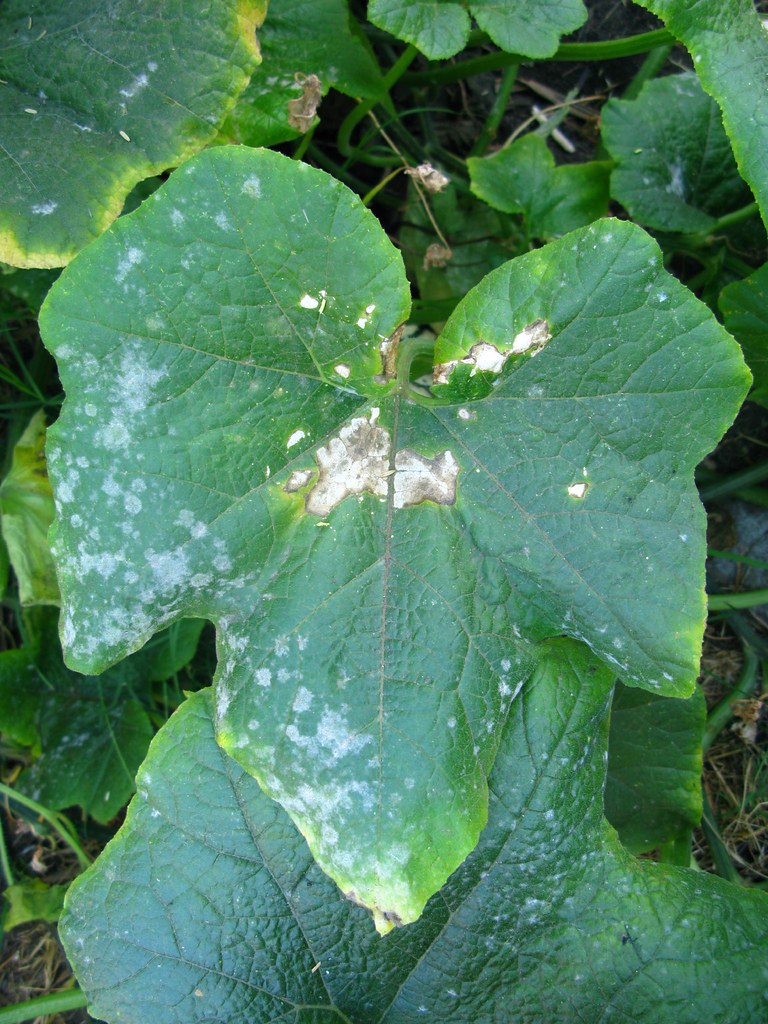
the other problem? powdery mildew. the land we're on is sort of damp, arundo reed grows in the corner, and when i dug the new bed a foot down was damp earth even though i hadn't watered there. this low-lyingness makes for prime fungal breeding grounds and as a result we get a fair amount of powdery mildew and other fungal infections on our vegetables, especially the squash and melons. now, theoretically, good rich soil with beneficial fungus and the full array of macro and micro nutrients should grow a plant that is resistant to these sort of infections. but we're a new garden, just converted from hardpacked clay lawn, and i don't think the soil community is quite up to snuff, yet. so we have mildew.
most of the pest control books recommend sulfur or copper to combat this, but we have a small garden with lot of dogs. copper is toxic, and sulfur is an irritant, so what to do? i've heard milk or baking soda spray, but haven't tried them. then i read in the ever-helpful "carrots love tomatoes" that a tea made of
equisetum (horsetail) is an excellent way to not only prevent but combat powdery mildew and at the same time increase overall tissue health.
i knew where there was a nice patch of horsetail a few blocks from my house so i gathered a big handful, chopped them up, let them sit in water for two days then simmered them for a few hours. the resulting liquid was a watery-greenish and sort of stank. i put it in a spray bottle and have been religiously spraying the leaves of the squash with it for the past four days. it appears to be working! there still is mildew but it's not spreading and some of the leaves with small amounts have cleared up completely. i feel good about this and would recommend it to anyone with mildew problems, and best of all... it's free!
dealing with these problems i was surprised at how little easily countenanced information there was on how to deal with these problems sans chemicals... even "organic" ones. why didn't any of the books i read explicity say that i needed to plant plenty of herbs and flowers with my vegetables? why are the powers of horsetail only mentioned in one place? this got me thinking and i'm currently compiling an online searchable database for all would-be gardeners that allows you to easily understand which plants attract which beneficial insect and when they are in bloom which will be cross-referenced with companion planting and disease control methods. stay tuned.
AND if anyone reading this has insights into the process of growing pest free vegetables please share the wisdom.






 Posts
Posts


